Welcome to the charming and serene country of Denmark, known for its high quality of life, robust welfare systems, and vibrant cultural heritage. As an expat, adjusting to a new country involves learning about the cost of living in Denmark which can vary greatly depending on your lifestyle and the choices you make. In this guide, we’ll explore the various expenses you might encounter living in Denmark including housing, food, and transportation. This will help you budget effectively and settle into your new Danish life with ease.
- Housing Expenses in Denmark
- Food Costs in Denmark
- Transportation Expenses in Denmark
- Healthcare Costs in Denmark
- Childcare and Education Expenses
- Utilities and Internet Costs
- Factors Influencing the Cost of Living in Denmark
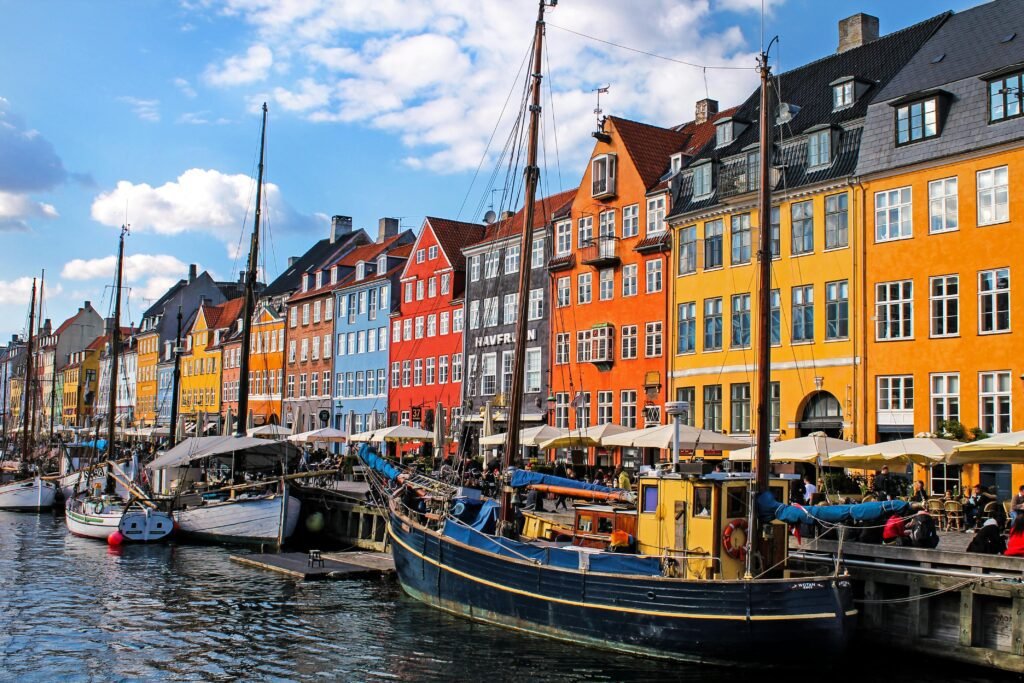
Housing Expenses in Denmark
Housing is typically the largest expense for anyone, and Denmark is no exception. The cost of living in Denmark can vary significantly depending on the location, type of accommodation, and size. In major cities like Copenhagen or Aarhus, rent prices are substantially higher than in smaller towns or rural areas. For instance, a one-bedroom apartment in Copenhagen’s city center might cost around 12,000 to 15,000 DKK per month, while in smaller cities or outskirts, the price could drop to about 8,000 DKK.
– Renting vs. Buying
Buying property in Denmark can also be an expensive affair. The prices per square meter in the city centers are quite steep, with Copenhagen leading the charts. Some key things to consider:
Deposit & Prepaid Rent: When renting, landlords often require 3 months’ deposit + 1-3 months’ prepaid rent, making the initial cost quite high.
Cooperative Housing (Andelsbolig): Some people opt for cooperative housing, where you buy a share of the property rather than owning it outright. This can sometimes be a more affordable alternative.
Housing Websites: Many expats find apartments through sites like BoligPortal or Lejebolig, though competition can be fierce in major cities.
Food Costs in Denmark
For newcomers, the cost of food and dining in Denmark often provides the first tangible encounter with the country’s high cost of living. While groceries from supermarkets are consistently priced above the EU average, it’s dining out that typically has the most significant impact on one’s budget. A straightforward meal at an inexpensive restaurant will generally cost between 120 and 150 DKK. For a more formal, three-course dining experience for two at a mid-range establishment, you should expect to pay around 750 DKK.
A practical and widely adopted strategy for managing these expenses is to prioritize cooking at home. Purchasing groceries, although not inexpensive, offers considerably better long-term value compared to the routine of eating in restaurants.
– Grocery Shopping
Grocery shopping in Denmark offers more flexibility budget-wise, but prices are generally higher than in many other countries due to a strong focus on quality and organic products. Supermarkets range from budget to premium:
Budget supermarkets: Netto, Coop365, Rema 1000, Lidl
Mid-range supermarkets: Føtex, Bilka, SuperBrugsen
Premium supermarkets: Meny, Kvickly
A weekly grocery bill for one person might range from 300 to 750 DKK, depending on dietary habits and preferences. Expats can save money by shopping at discount supermarkets or visiting local food markets, which sometimes offer fresher produce at better prices.

Transportation Expenses in Denmark
Denmark’s reputation for an efficient and comprehensive public transport network is well-deserved, seamlessly connecting cities and regions via trains, metros, and buses. For residents, a monthly pass in major urban centers like Copenhagen typically costs between 400 and 600 DKK. While this may seem a significant monthly line item, it represents good value given the system’s extensive coverage, high frequency, and reliability, effectively eliminating the need for a private car for daily commuting.
– Owning a Car
Purchasing a car in Denmark is expensive due to high registration taxes, which can be up to 150% of the car’s price. Additional costs include:
- Insurance: Typically ranges from 3,000-7,000 DKK per year
- Fuel: Prices are relatively high, with petrol costing around 14-17 DKK per liter
- Parking: Can be costly in city centers, with monthly parking permits often exceeding 1,000 DKK
– Biking in Denmark
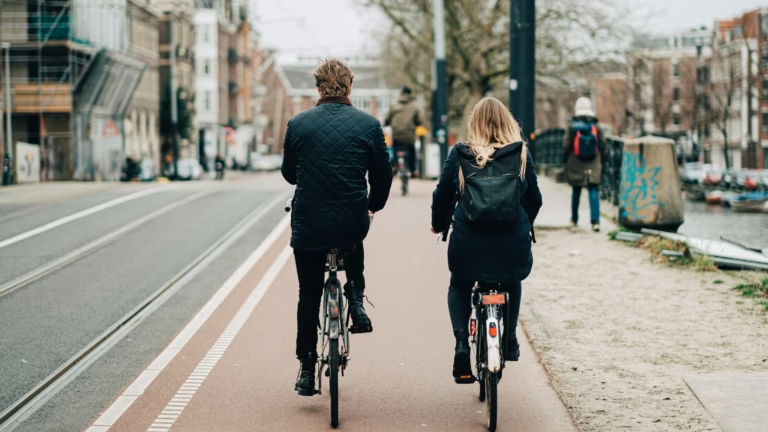
Biking is a very popular and cost-effective alternative in Denmark. Most cities are equipped with excellent bike paths, and many Danes prefer cycling over other modes of transportation. Initial costs for buying a bicycle may range from 1,000 to 7,000 DKK, but it eliminates ongoing costs associated with car travel or public transport.
Healthcare Costs in Denmark
When it comes to the cost of living in Denmark, its universal healthcare system provides extensive coverage for all residents through state funding. For expats, however, access is directly tied to your legal residency status. Key factors that determine your coverage include the purpose and duration of your stay, as well as your country of origin (EU/EEA or non-EU). It is essential to proactively register with the system upon arrival to ensure you are fully covered for both routine and urgent medical care.
– Public Healthcare
- Once you have a CPR number (Danish personal identification number), you are entitled to free medical care, including doctor visits and hospital treatments.
- Prescription medications are partially subsidized but may still require a co-payment.
- Dental care is not fully covered, and adult patients must pay out-of-pocket, with basic check-ups costing around 300-500 DKK.
– Private Healthcare & Insurance
- Some expats choose private health insurance to cover additional services such as faster specialist access or dental care.
- A private health insurance plan might cost between 3,000-6,000 DKK per year, depending on coverage.
Childcare and Education Expenses
For expat families, a realistic budget for life in Denmark must account for childcare and education. While the Danish system offers significant public support, navigating the options—from daycares (vuggestuer) to international schools—and their associated costs is a critical planning step.
– Childcare (Daycare & Kindergarten)
- Vuggestue (Daycare for infants): Typically costs between 2,000-4,000 DKK per month, but subsidies are available for lower-income families.
- Børnehave (Kindergarten for 3-6-year-olds): Costs are similar to daycare, but again, subsidies can reduce the price significantly.
– Schooling Options
- Public schools: Free and widely available, offering high-quality education.
- Private & International schools: Fees range from 30,000-100,000 DKK per year, making it a costly but sometimes necessary choice for expat families.
To discover why Denmark consistently ranks among the best countries for family life, explore our detailed article: 5 Reasons Denmark is a Great Place to Raise Children.

Utilities and Internet Costs
Utilities in Denmark represent a significant and variable monthly expense, one that requires careful budgeting. This is especially true during the long winter months, when heating needs can cause costs to spike. Here’s a breakdown of what you can expect:
– Monthly Utility Costs
- Electricity: 500-800 DKK
- Water & Heating: 1,000-1,800 DKK
- Internet & TV packages: 250-500 DKK
It is crucial to anticipate these seasonal fluctuations from the outset and plan your finances accordingly to avoid unexpected strain on your budget.
Factors Influencing the Cost of Living in Denmark
Several factors influence the cost of living in Denmark. It’s beneficial for expats to understand these elements to thoroughly prepare and budget for their new life in Denmark.
– Average Income Levels
Average income levels in Denmark are relatively high, which correlates with the cost of living in Denmark. The average annual salary before taxes in Denmark might range from 300,000 to 500,000 DKK, depending on the sector and level of expertise. Dive deeper into this topic with our guide: Understanding Your Denmark Salary: A Complete Guide to Pay & Taxes.
This high income level helps to balance out the high expenses for housing, food, and transport, allowing inhabitants to maintain a comfortable standard of living. It’s also worth noting that Denmark has a progressive tax system, which means that high earners contribute a larger percentage of their income, supporting the comprehensive welfare state. Learn more about the Danish Tax System in our blog Danish Tax System Explained: A Complete Guide for Expats.
– Currency Exchange Rates
For expats, the local currency’s strength is another critical factor. Denmark uses the Danish Krone (DKK), which often fluctuates against other major currencies, such as the USD or EUR. A stronger currency means that living expenses can be higher for those who earn their income in other currencies. Monitoring exchange rates and possibly exchanging money when rates are favorable can result in significant savings.

Conclusion
A clear understanding of the cost of living in Denmark is the cornerstone of a successful and stress-free expat experience. While the financial commitment is significant, it is an investment in a society renowned for its unparalleled quality of life, robust social welfare, and high earning potential. By strategically planning your finances—from housing and groceries to transport and utilities—you unlock the ability to not just live in Denmark, but to truly thrive and enjoy all the rewards this exceptional country has to offer.
For more practical advice on building your life in Denmark, explore our article on How to Get a Work Visa in Denmark.
Join our community for daily tips and updates on Instagram, LinkedIn, Facebook, and TikTok.