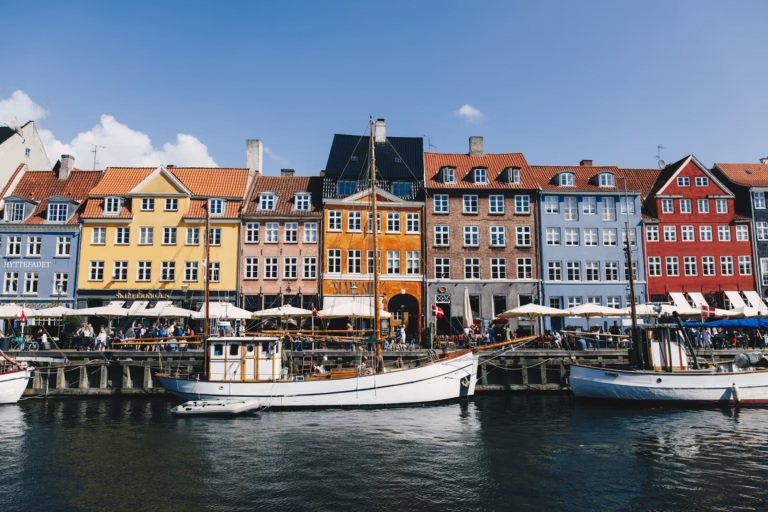
Nordic food is a great mix of old and new tastes. Danish meals include fresh, local products that show how long the country has been making great food. There is a wide range of Danish food, from hearty meat meals to light pastries. Each meal in Denmark tells a story about the country’s past and present. Danish meals are more than just food; they’re things to do. The Danish word “hygge” means “togetherness.”
Let’s explore on to learn about four traditional Danish meals that you should try. With these meals, you can see how rich and different Danish food is. People who love food and tourists who are interested should try these meals. Discover the culinary wonders of Denmark and taste its flavours.
The Pearl of Danish Cuisine: Smorrebrod
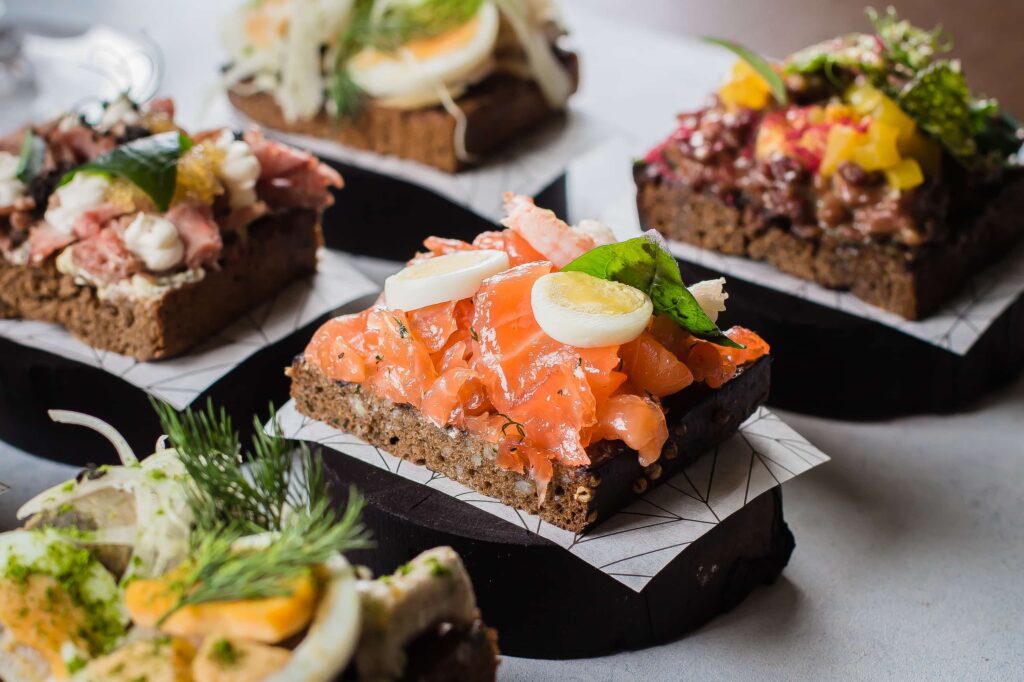
Fans of Danish cuisine know that “smørrebrød” , which is an open-faced sandwich, is the most favourite meal of this culture. Typically, thick, hearty rye bread is used to make these tasty sandwiches.You can put a lot of different things on top of smørrebrød to make it more interesting. There are many toppings, from easy to fancy, and each one tastes different.
A standard smørrebrød has layers of cheese, butter, fish, meat, or pork. Each layer is carefully put together so that the taste and texture are just right.
You can try these well-known kinds of smørrebrød:
- Red Herring Smørrebrød: Salmon that has been pickled with olives and onions
- Beef Roast Smørrebrød: horseradish, crunchy onions, and beef roast
- Egg and Shrimp Snack: hard-boiled eggs with shrimp and dill
So many people in Denmark like smørrebrød, which means they like simple Danish food that tastes good. People who work on farms used to eat it for lunch, but now everyone loves it. The skill with which Smørrebrød is made shows how good-looking Danish cuisine can be. It’s a feast for the eyes as well as the stomach. It’s a traditional Danish dish that can be served at any event, from casual to fancy. It is a delicious beginning to learn about Danish food in a tasty way.
Frikadeller: Meatballs from Traditional Danish Meals
A special place among traditional Danish meals belongs to frikadeller. People all over Denmark love these tasty meatballs. They are a family favorite in many homes. People often eat frikadeller, which is made with ground pork and beef, with a lot of potatoes. It is made of different kind of meats; therefore, it is not like other meatballs because of its taste.
A lot of recipes call for onions, milk, and breadcrumbs. These add depth and complexity to the meatballs, making them even better. This Danish food is very tasty, and the steps are very simple.
These are some important parts of Frikadeller:
- The best mix of beef and pork
- Add a little salt, pepper, and nutmeg to taste.
- Served with standard sides like mashed potatoes and gravy.
Danish comfort food like frikadeller is known with its great taste. They are served warm and spicy, which makes them perfect for a cozy meal. The fact that the dish is so simple shows how important it is to the Danes to cook with good products.
Frikadeller typically comes with mashed potatoes and a thick gravy. This makes an ideal heavy dinner. A small amount of sweet and sour red cabbage is frequently added to switch up the flavour. People across Denmark love these meatballs. That demonstrates how much they enjoy home-cooked meals. Danish cuisine habits are known for their warmth and friendliness, and the simple Frikadeller is an excellent example of this.
The National Danish Food: Stegt Flaesk
Stegt flaesk is a popular and important meal as a Danish food. This fried pork dish is popular since it’s easy to prepare and delicious.
Stegt flaesk, or thick chunks of pig belly, is often regarded as a signature meal in Danish cuisine. The cooking process is also easy. All you need to do is to season them thoroughly and fry until the skin turns golden and crispy. Most restaurants serve this meal with a creamy parsley sauce. It pairs exceptionally well with the crispy pork. This tastes better with boiled potatoes, which make the dish fuller and comforting.
Stegt flæsk exemplifies Danes’ pride in their modest yet delicious meals. This meal is popular in both Danish homes and restaurants. Fresh, local veggies enhance the flavour of Stegt flæsk, making it more authentic. In general, traditional Danish cuisine is founded on the principle of using high-quality, long-lasting products.
For those new to Danish cuisine, stegt flæsk is a must-try. It’s a true taste of culture by gving the modest, rustic approach that makes Danish food so delicious and enduring. Therefore, it can be said that this dish exemplifies how kind and welcoming the Danes are.
Danish Christmas Meals: Flæskesteg and Risalamande
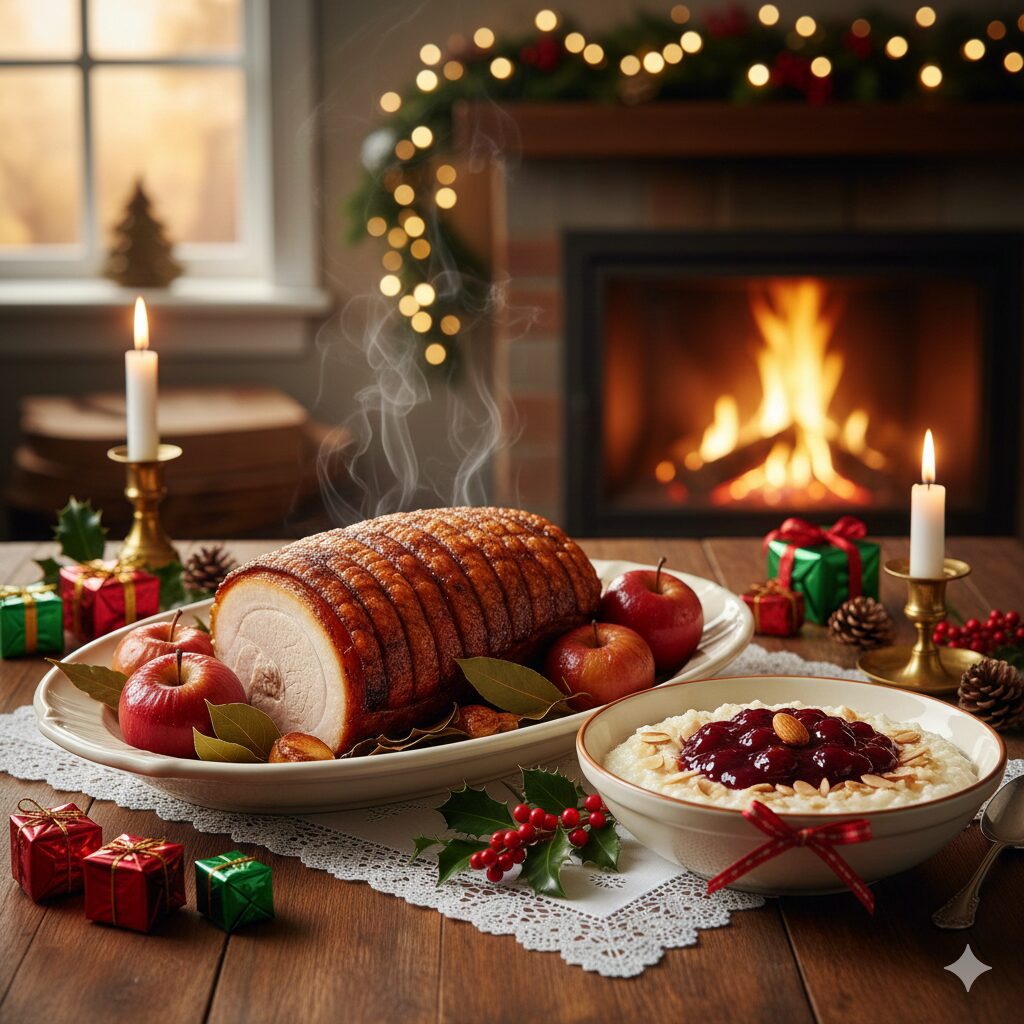
Fleæskesteg is one of the classic Christmas meals which is a known as roast pig dish. The dish is popular since it has juicy and crispy texture. Flæskesteg is cooked with plenty of salt and herbs. Therefore, it is crucial to find the ideal balance between meat and crackling. The crackling should be flavorful and crunchy, while the flesh should be tender and juicy.
Flæskesteg is commonly served with other sides, not just the meat itself. It usually comes with red cabbage which adds a peppery kick. Besides, caramelized potatoes provide a sweet, rich flavor to this traditional Danish food.
Another essential part of the Christmas meals is having a goose for the dinner. It is a tradition for those who want to keep their heritage while getting together and having precious time with loved ones. Besides it, Risalamande is another popular dish which is basically creamy rice pudding with chopped almonds and warm cherry sauce. It is also typical to hide a whole almond for a small reward. In December, Danes enjoy aebleskiver (round pancake balls) and gløgg, a traditional mulled wine. This makes the season cozy, delicious, and very “hyggelig.”
A Traditional Danish Dinner
A traditional Danish dinner will consist of potatoes, gravy or sauce and some kind of medium/rare meat. As a side, you will typically have a salat and some bread. The Danish kitchen isn’t known for either spice or flair, but it is known for using ingredients of a very high quality, organic and “clean” meats and vegetables and an all-around awareness of what the meal consists of.
Danish food used to be very fat and salty, but with knowledge comes responsibility, and the new generations eats healthier than the Danes before. In Denmark there are a lot of good vegetarian product, you can use to substitute the meats in the traditional foods, and thereby still get the authentic experience, even if you don’t eat meat.
How Danes Eat
The way Danes eat is an important aspect of their culture and traditions. It emphasises simplicity, newness, and permanence. A frequent technique for meals to reflect the changing seasons is to use fresh, local ingredients that bring out their own flavours.
“Hygge,” which meaning “coziness,” is a major component of Danish cuisine and beverages. This is evident in the fact that many traditional Danish meals are communal and relaxing. Sharing food in a cozy setting enhances the eating experience and makes the room feel friendly to both locals and guests.
Danish cuisine frequently features a combination of sweet, acidic, and salty flavours. This balance results in a diverse selection of delectable meals that showcase Denmark’s rich culinary history. In conclusion, Danish cuisine culture is a one-of-a-kind and unforgettable gastronomic trip that combines old and new ideas.
Join our community for daily tips and updates on Instagram, LinkedIn, Facebook, and TikTok.
You Can Read More About:
5 Reasons Why Denmark is a Great Place to Work
Happy Holidays from everyone at Career Denmark!