Spring in Denmark is honestly something special. After months of darkness, gray skies, and perfecting the art of hygge indoors, the country finally wakes up. The birds start singing again. The beech trees turn that magical shade of light green. And Danes emerge from their homes like little flowers reaching for the sun.
But spring here isn’t just about the weather getting warmer. It’s about traditions. Some are ancient, some are a little quirky, and some literally involve hitting a barrel with a stick until candy explodes everywhere. (Yes, really.) These Danish spring traditions are what make this season truly unique—and understanding them is the key to feeling at home here.
Curious? Let’s take a look at the Danish spring traditions you need to know, not just to understand the country, but to feel like you’re part of it.
- Fastelavn – The Danish Carnival
- Påske – Easter
- Store Bededag – Great Prayer Day
- Pinse – Pentecost
- Sun Bathing
- May 1st – International Workers’ Day
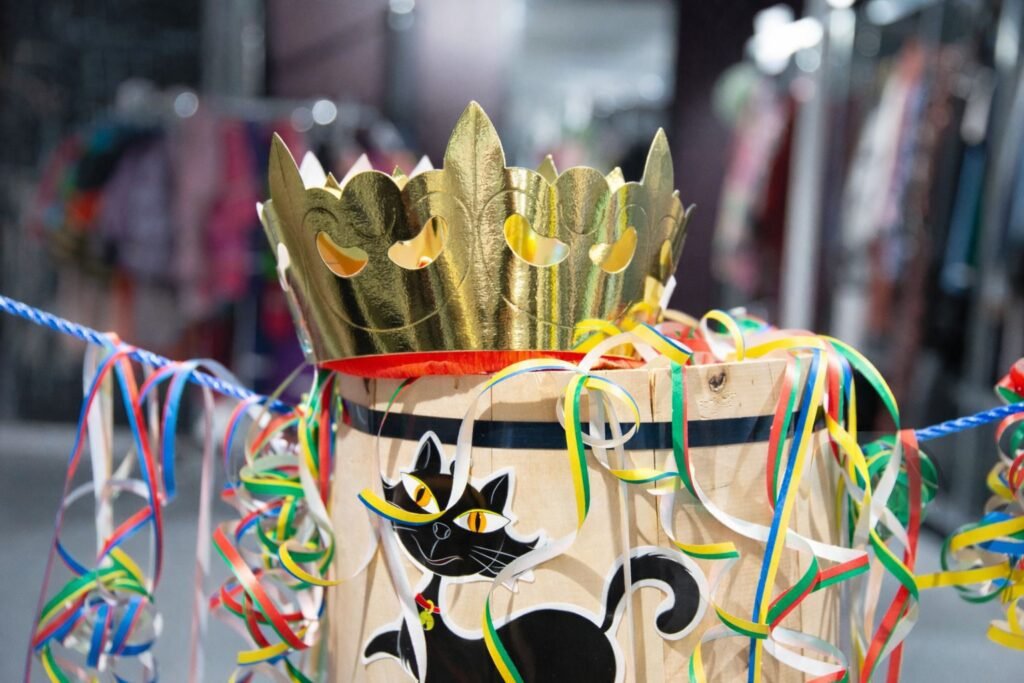
Fastelavn – The Danish Carnival
Fastelavn takes place seven weeks before Easter, which means the date moves around every year. Its roots are in the Catholic Church—originally a big feast before the 40-day Lenten fast. However, the religious part has faded, and what’s left is pure fun.
According to the Danish tradition, children dress up in costumes. The entire day is filled with costume parades in schools and kindergartens. But the main event? Barrel beating.
Kids take turns hitting a wooden barrel filled with sweets while blindfolded. The one who breaks the bottom becomes the kattekonge (cat king), and the one who knocks off the last piece becomes the kattedronning (cat queen). The tradition is called slå katten af tønden—literally “beat the cat off the barrel”—and it symbolizes the triumph of good over evil and the arrival of spring. (Don’t worry, no actual cats are involved anymore.)
And then there are the fastelavnsboller. These cream-filled pastries start appearing in bakeries as early as January, and Danes will debate passionately about which bakery makes the best ones. This is one of those Danish spring traditions that perfectly blends history, community, and sugar.
Påske – Easter
Easter is celebrated everywhere, but Denmark does it differently. It’s less about religion and more about family, food, and welcoming spring. Some of the Danish Easter traditions include:
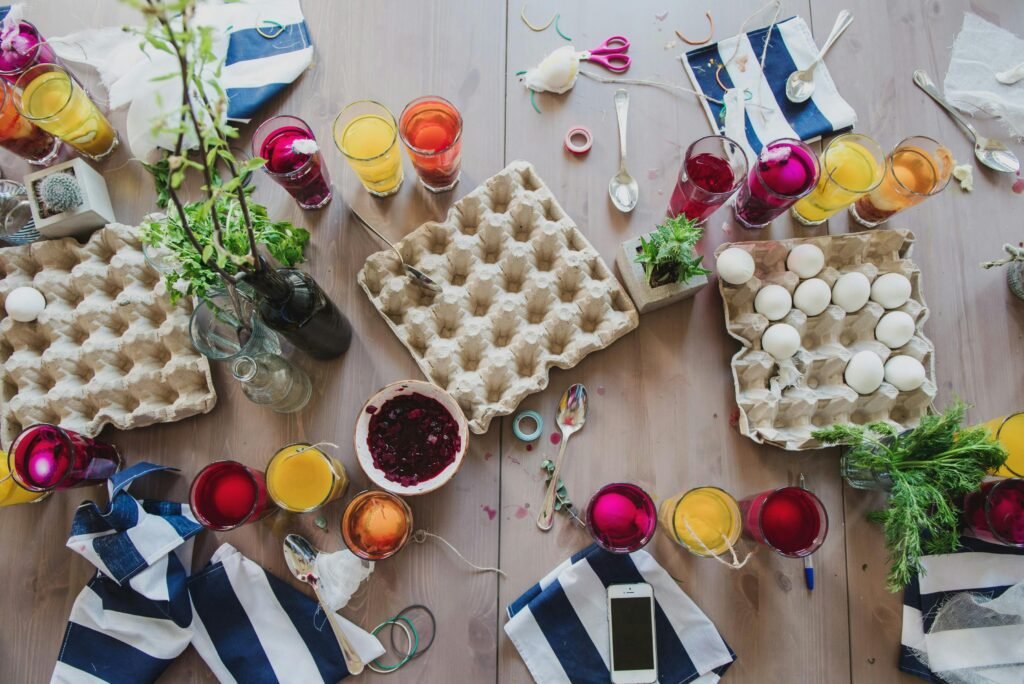
– Gækkebreve – The Snowdrop Letters
Leading up to Easter, children (and adults who still have a playful heart) cut paper into intricate snowflake-like shapes. They write a poem—often a traditional rhyme—and sign it with dots. Each dot represents a letter in their name. Then they send it anonymously.
If the recipient guesses who sent it, they win a chocolate Easter egg. If they don’t, they owe the sender one. It’s called at gække—to tease or fool—and it’s been around for generations. The letters are often accompanied by a snowdrop flower (vintergække), which is one of the first signs of spring in Denmark.
What to do instead of ignoring this: Join in. Send a gækkebrev to a Danish colleague or friend. It’s an instant conversation starter and a glimpse into Danish childhood nostalgia.
– Påskefrokost – The Easter Lunch
If you think lunch means a quick sandwich, think again. A Danish påskefrokost is an hours-long feast.
The table groans under the weight of pickled herring (multiple varieties), salmon, liver pâté, meatballs, cheese, and eggs. Then there’s the snaps (aquavit) and the special Easter beer (påskebryg). Danes don’t just eat—they skål repeatedly, they talk, they laugh, and they stay at the table until it’s time for a walk.
Speaking of walks: after the main meal, families often go for a long walk together before dessert. Because balance. Because hygge. Because Denmark.
What is Hygge? Learn more about this fascinating Danish concept in our article The Hygge Lifestyle: A Ultimate Guide to Danish Art of Living.
– Easter Egg Hunts and the Easter Bunny
The påskehare (Easter bunny) brings children chocolate eggs on Easter Sunday. But honestly, chocolate eggs start appearing weeks before, given by grandparents, aunts, and family friends. On Easter morning, kids hunt for eggs hidden in gardens or parks—a scene of pure, sugar-fueled joy.
The Danish way? Family first. Food second. And always, always leave room for snaps. That’s just how Easter works here—and it’s one of the most beloved Danish spring traditions.
Store Bededag – Great Prayer Day
Store Bededag falls on the fourth Friday after Easter. It was created in the 17th century when a bishop decided to combine several minor religious holidays into one big day of prayer and reflection.
The night before Store Bededag, bakeries across Denmark sell varme hveder—warm wheat buns. Families buy them fresh from the bakery and eat them warm, often with butter and jam. It’s a cozy, simple tradition that has somehow become the highlight of the holiday.
Fun fact: In 2024, Store Bededag was removed as an official public holiday. But did that stop Danes from eating varme hveder? Absolutely not. Some traditions are bigger than politics.
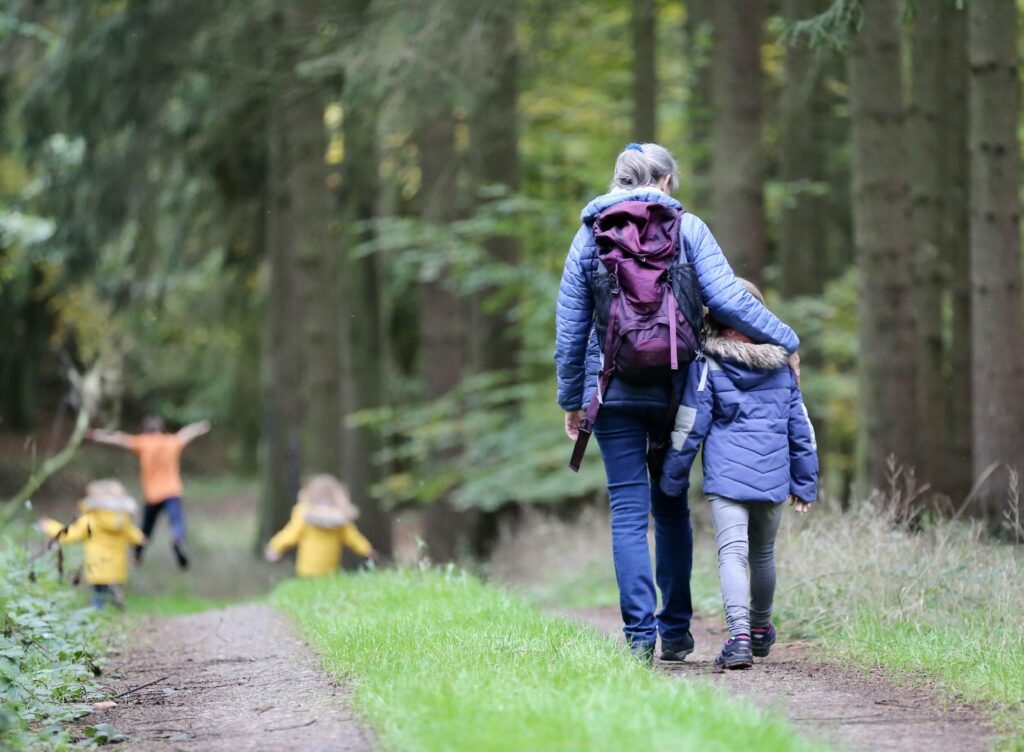
Pinse – Pentecost (Forest Walks and Family Time)
Pentecost (Pinsedag) falls on the seventh Sunday after Easter, and Danes get two days off—Pinsedag and 2. Pinsedag.
Unlike Easter, Pentecost is low-key. There are no massive feasts or barrel-beating spectacles. Instead, families use the mini-vacation to do what Danes do best: enjoy nature.
Pinseskovtur (Pentecost forest walk) is exactly what it sounds like. Families pack a picnic, head to the woods, and walk. They breathe in the fresh spring air, admire the beeches with their new leaves, and maybe spot some anemones on the forest floor.
Some Danes attend church, but for most, Pentecost is about spending time together, enjoying the longer days, and mentally preparing for summer.
Sun Bathing – The First Ray Changes Everything
The first warm(ish) day of spring arrives, and suddenly, Danes are outside in T-shirts. And shorts. And sometimes less.
It doesn’t matter if it’s only 10 degrees Celsius. If the sun is out, Danes are out. Parks fill up. Café terraces overflow. People sit on benches facing the sun like flowers on a windowsill. And yes—some even strip down to catch those precious rays, because after months of darkness, every photon counts.
This isn’t laziness. It’s a celebration. It’s the collective exhale of a nation that made it through another winter. And honestly? It might just be the most relatable of all Danish spring traditions.
May 1st – International Workers’ Day
May 1st is International Workers’ Day, and in Denmark, it’s a big deal.
Unions and political parties organize demonstrations and rallies, with the biggest one happening in Fælledparken. People gather, listen to speeches from labor leaders and politicians, and celebrate workers’ rights.
But it’s not just politics. It’s also a social event. Families picnic. Friends meet. Ice cream is eaten. The atmosphere is part protest, part festival, part community gathering—and proof that Danish spring traditions can be about both celebration and solidarity.
Conclusion
Spring in Denmark isn’t just a season. It’s a rebirth. It’s the moment when the country shakes off the winter and remembers how to be alive.
These Danish spring traditions—whether you’re hitting a barrel, sending a secret letter, eating warm buns, or just sitting in the sun—are all part of that. They connect Danes to their past, to each other, and to the changing light.
If you’re new to Denmark, join in. Buy a fastelavnsbolle. Send a gækkebrev. Go for a pinseskovtur. And when that first spring sun appears, do what the Danes do: go outside and soak it up.
For a deeper dive into these celebrations—including the story behind each holiday and when they actually happen—check out our guide: Unveiling 7 Unique Danish Spring Holidays.
Because in Denmark, spring isn’t just something that happens. It’s something you celebrate.
Join our community for daily tips and updates on Instagram, LinkedIn, Facebook, and TikTok.